
Luxury Home Design Trends for the Modern Age
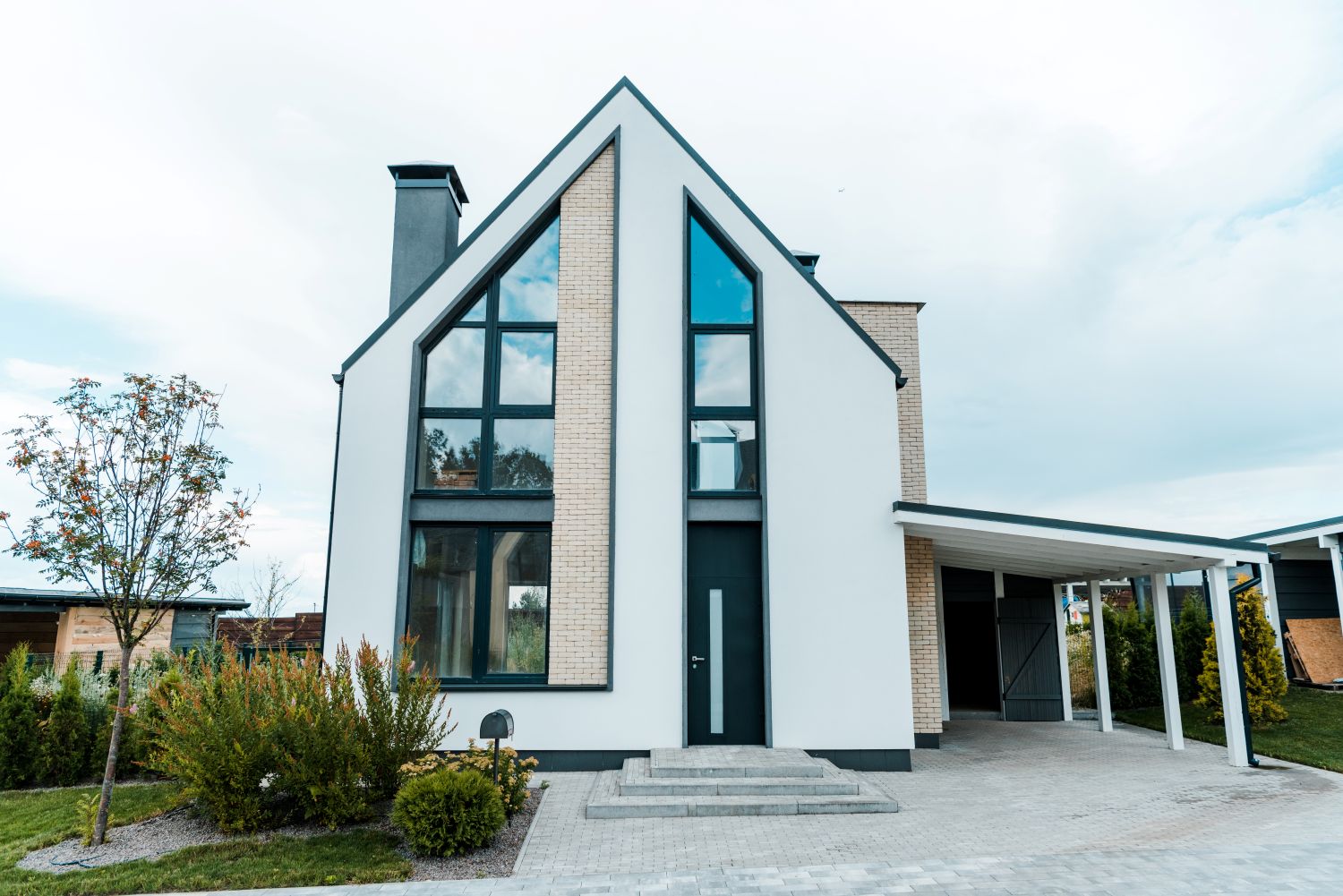
As we move further into the 21st century, the concept of luxury in home design continues to evolve. Modern luxury homes are no longer just about opulence; they emphasize comfort, sustainability, and personalization while integrating the latest technology. Whether you’re looking to build a new home, renovate an existing space, or simply gain inspiration for your dream home, understanding the latest luxury design trends can help you create a space that reflects your lifestyle and values. Here are some of the most prominent luxury home design trends for the modern age.
1. Sustainable and Eco-Friendly Design
Embracing Green Living
Sustainability has become a cornerstone of modern luxury. Homebuyers are increasingly seeking eco-friendly designs that minimize environmental impact while maximizing comfort.
Key Features:
- Energy-Efficient Materials: Use of sustainable building materials such as reclaimed wood, bamboo, and recycled metals.
- Solar Panels: Integration of solar energy systems to reduce reliance on traditional power sources.
- Green Roofs and Living Walls: Incorporating vegetation into building designs not only enhances aesthetics but also improves air quality and insulation.
Biophilic Design
Biophilic design focuses on creating a connection with nature. This trend incorporates natural elements into the home, promoting well-being and tranquility.
- Natural Light: Large windows, skylights, and open floor plans that maximize natural light.
- Indoor Gardens: Spaces that include plants and water features, bringing the outdoors inside.
2. Smart Home Technology
The Rise of Automation
The integration of smart technology has transformed the way we interact with our homes. Luxury designs now often include advanced automation systems that enhance convenience, security, and energy efficiency.
Key Features:
- Smart Lighting: Automated lighting systems that can be controlled via smartphone or voice commands, allowing for personalized ambiance.
- Home Security: Advanced security systems with cameras, motion sensors, and smart locks that provide peace of mind.
- Climate Control: Smart thermostats that learn user preferences and adjust heating and cooling accordingly, optimizing comfort and energy usage.
Integrated Entertainment Systems
Modern luxury homes often feature integrated audio and visual systems that provide seamless entertainment experiences throughout the home.
- Multi-Room Audio: Speakers and sound systems that can be controlled in each room for personalized listening experiences.
- Home Theaters: Dedicated spaces with high-end projection systems and sound equipment for immersive movie-watching experiences.
3. Open and Flexible Spaces
The Shift Towards Open Floor Plans
Gone are the days of compartmentalized living spaces. Modern luxury homes emphasize open floor plans that foster flow and connectivity between different areas.
Key Features:
- Flexible Living Areas: Spaces that can be adapted for various functions, such as a home office that can also serve as a guest room.
- Seamless Indoor-Outdoor Living: Large sliding glass doors that open to outdoor patios or gardens, creating a harmonious connection with nature.
Multi-Functional Furniture
As homes become more versatile, so too does furniture design. Multi-functional pieces that serve various purposes are becoming increasingly popular.
- Convertible Furniture: Sofas that can be transformed into beds or tables that can expand for entertaining.
- Built-In Storage Solutions: Customized cabinetry and shelving that maximize space while keeping the home organized.
4. Luxurious Textures and Materials
The Importance of Surface Design
In luxury home design, the choice of materials plays a significant role in creating a sophisticated atmosphere. Textures and finishes are carefully selected to enhance the overall aesthetic.
Key Features:
- Natural Stone: Use of materials like marble, granite, and quartz for countertops, flooring, and accent walls.
- Wood Accents: Warm wood tones in flooring, cabinetry, and furniture create an inviting feel.
- Textiles: High-quality fabrics, such as velvet or silk, are used in upholstery and drapery to add richness and depth.
Statement Lighting
Lighting fixtures are not just functional; they are also key design elements that can enhance the luxury aspect of a home.
- Chandeliers and Pendant Lights: Eye-catching designs that serve as focal points in living areas and dining spaces.
- Layered Lighting: A combination of ambient, task, and accent lighting to create a warm and inviting atmosphere.
5. Personalized Spaces
The Rise of Customization
Modern luxury is increasingly about personalization. Homeowners are seeking to create spaces that reflect their unique tastes, lifestyles, and values.
Key Features:
- Custom Design Elements: Tailored cabinetry, bespoke furniture, and unique architectural details that reflect individual style.
- Art and Decor: Incorporating personal collections, artwork, and decor that resonate with the homeowner’s identity.
- Wellness Spaces: Dedicated areas for relaxation and self-care, such as home gyms, meditation rooms, or spa-like bathrooms.
Outdoor Living Spaces
As the importance of outdoor living continues to grow, homeowners are investing in luxurious outdoor areas that extend their living space.
- Outdoor Kitchens: Complete setups for cooking and entertaining al fresco.
- Fire Pits and Lounging Areas: Cozy spaces designed for relaxation and social gatherings.
Conclusion
The landscape of luxury home design is evolving, with a strong emphasis on sustainability, technology, and personalization. By embracing these modern trends, homeowners can create spaces that not only elevate comfort but also reflect their unique lifestyles and values. Whether you’re building a new home or renovating an existing space, considering these luxury design trends will help you achieve a harmonious blend of elegance and functionality, ensuring your home remains a sanctuary for years to come.
Related Post
