
The Perfect Fit: Matching Your Needs with the Right Car Insurance Policy
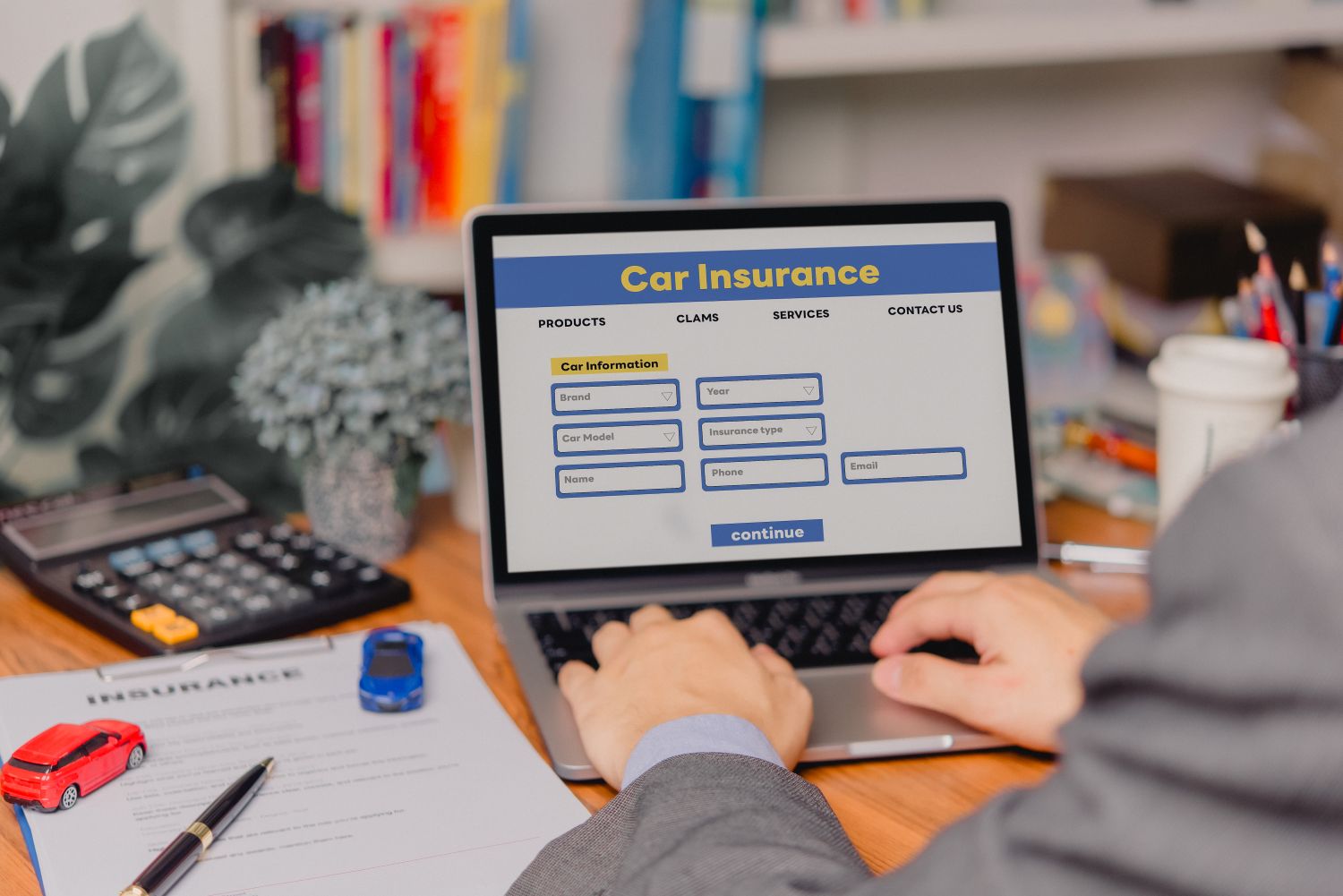
Choosing the right car insurance policy is crucial for every driver, as it provides essential financial protection in the event of accidents, theft, or damage to your vehicle. However, with so many options available, navigating the world of car insurance can be overwhelming. To ensure you find the perfect fit for your needs, it’s important to understand the various types of coverage, evaluate your specific requirements, and compare policies effectively. In this article, we will guide you through the process of selecting the right car insurance policy tailored to your unique situation.
Understanding Car Insurance Basics
Types of Coverage
Before diving into the selection process, it’s important to familiarize yourself with the different types of car insurance coverage available:
- Liability Coverage: This is the most basic form of car insurance and is often required by law. It covers damages to other people’s property and medical expenses if you’re at fault in an accident. Liability coverage typically includes:
- Bodily Injury Liability: Covers medical expenses for injuries sustained by others in an accident you caused.
- Property Damage Liability: Covers damages to someone else’s property, such as their vehicle or a fence.
- Collision Coverage: This type of coverage pays for damages to your own vehicle resulting from a collision, regardless of fault. It’s particularly important for newer or more valuable cars.
- Comprehensive Coverage: This coverage protects against non-collision-related incidents, such as theft, vandalism, natural disasters, or hitting an animal. Comprehensive coverage is essential for safeguarding your vehicle from a wide range of risks.
- Personal Injury Protection (PIP): PIP covers medical expenses for you and your passengers, regardless of who is at fault in an accident. It may also cover lost wages and rehabilitation costs.
- Uninsured/Underinsured Motorist Coverage: This coverage protects you if you’re involved in an accident with a driver who has no insurance or insufficient insurance to cover the damages.
Additional Coverage Options
Depending on your needs and preferences, you may also consider additional coverage options, such as:
- Rental Car Reimbursement: Covers the cost of renting a vehicle while your car is being repaired after an accident.
- Roadside Assistance: Provides help with breakdowns, flat tires, or other roadside emergencies.
- Gap Insurance: Covers the difference between what you owe on your car and its actual cash value in the event of a total loss.
Assessing Your Needs
1. Evaluate Your Driving Habits
Your driving habits play a significant role in determining the type of coverage you need. Consider the following:
- Frequency of Use: If you use your vehicle daily for commuting, you may want more comprehensive coverage. If you only drive occasionally, you might opt for basic liability coverage.
- Driving Environment: If you live in an area with high traffic or a higher likelihood of accidents, additional coverage may be warranted.
2. Consider Your Vehicle’s Value
The value of your vehicle is a key factor in determining the right coverage. For newer or more expensive cars, investing in collision and comprehensive coverage is often advisable. Conversely, if you have an older vehicle with a low market value, you might consider dropping collision coverage to save on premiums.
3. Review Your Budget
Determine how much you can afford to spend on car insurance premiums. While it’s important to have adequate coverage, balancing your budget with your insurance needs is essential. Consider the following:
- Premiums vs. Deductibles: Higher deductibles typically result in lower premiums, but ensure you can afford the deductible in the event of a claim.
- Discounts: Inquire about available discounts, such as safe driver discounts, multi-policy discounts, and good student discounts, which can help reduce your overall costs.
Comparing Policies
1. Gather Quotes
Once you have a clear understanding of your coverage needs, gather quotes from multiple insurance providers. Many companies offer online tools that make it easy to compare rates and coverage options.
2. Assess Coverage Limits
When comparing quotes, pay close attention to the coverage limits offered by each policy. Ensure that the limits align with your needs and provide adequate protection in the event of an accident.
3. Read Reviews and Ratings
Research the reputation of each insurance company you’re considering. Look for customer reviews and ratings to gauge their customer service, claims process, and overall reliability.
4. Understand the Fine Print
Before making a decision, read the policy details carefully. Look for any exclusions, limitations, or conditions that may affect your coverage. Understanding the fine print will help you avoid surprises down the road.
Conclusion
Finding the right car insurance policy is essential for protecting yourself and your assets on the road. By understanding the different types of coverage, assessing your specific needs, and comparing policies effectively, you can make an informed decision that provides the perfect fit for your situation. Remember to evaluate your driving habits, consider your vehicle’s value, and stay within your budget while exploring available discounts. With the right car insurance policy in place, you can drive with confidence, knowing you have the protection you need. Safe travels!